ADVERTISEMENT
How to Travel Light: Master the Art of Minimalist Packing
Travel does not mean dragging half of the house through airports and train stations. Many people forget that packing too much only brings Stress, extra costs, and unnecessary struggle. A suitcase bursting at the seams is no sign of wealth or class. It shows a lack of planning.
Knowing What Truly Matters
Packing light helps avoid extra baggage fees, speeds up security checks, and keeps the mind calm. Airlines have limits for a reason. Those who check in more than one bag often pay more money than could be saved or used for better things during the trip. According to the International Air Transport Association, extra baggage fees amount to billions of dollars each year for travellers worldwide.
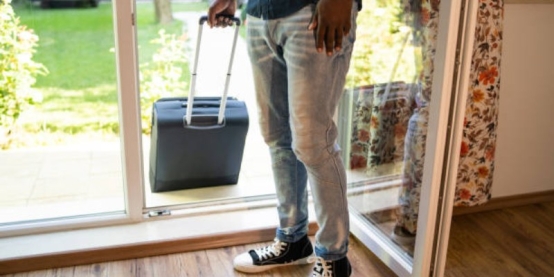
Travellers must know that most items packed never get used. Many people carry clothes "just in case," shoes that stay at the bottom of the bag, and full bottles of products that hotels already provide. The first rule of smart packing is to drop the fantasy of what might happen and focus on what will happen.
One jacket, a few shirts that mix well, two pairs of trousers, and comfortable shoes. That is all many people need for a week-long trip. It is no use packing fancy dresses or three extra jackets if the plan is to explore cities or visit family. Clean clothes can be washed along the way. Many hotels and Airbnb hosts offer laundry services.
Picking the Right Bag
Travellers waste time stuffing huge suitcases when all they need is a smart carry-on. A good carry-on should be lightweight, have sturdy zippers, and comply with airline cabin size regulations. A bag with four wheels saves the back and arms. It makes moving through tight spaces and long airport lines easy.
Those who travel for business or work remotely should consider a bag with a dedicated laptop section and additional pockets for cables and devices. Airline baggage guidelines help travellers choose the right size and weight to avoid last-minute surprises.
Rolling vs. Folding
Some people still fold clothes the old-fashioned way. Rolling clothes is smarter. Rolling stops deep wrinkles and saves space. Rolled shirts fit better in tight corners. Socks can be stuffed inside shoes to use every inch of space.

Packing cubes are also helpful. They keep clothes sorted by type. Travellers who frequently switch hotels often don't have to unpack everything. One cube comes out for shirts, another for pants. This system keeps the bag neat and saves time.
Choosing Multi-Purpose Items
Savvy travellers pick clothes that work for many uses. A simple black shirt works for dinner and sightseeing. A light jacket protects against rain and cold. Neutral colours match well. A scarf can be used for warmth, sun cover, or to dress up a plain outfit.
Electronics should be limited, too—one universal charger, one adapter for plugs, and a power bank covers most needs. Do not pack five gadgets when a single phone or tablet can handle reading, maps, and entertainment.
Toiletries and Liquids
Airport security does not care about fancy bottles and large perfume sprays. Small bottles under 100ml are enough for short trips. Many people carry full bottles that get thrown away at checkpoints. A reusable, clear plastic bag makes passing security easy. Hotels, hostels, and guest houses offer soap and shampoo. Travellers carrying special products can buy travel-sized bottles.
Medication should be kept in its original boxes to avoid issues with customs. Those with allergies or special needs should pack enough supplies for the entire trip.
Smart Packing for Tech-Savvy Travellers
Remote workers often think they need a whole office in a bag. This is far from the truth. A lightweight laptop, a good headset, and cloud storage are typically sufficient for most tasks. Keeping files online ensures that work is not lost if devices break or are stolen. Digital nomad guides provide expert advice on creating smart packing lists and staying up-to-date with tech tools that fit in small bags.

Sticking to Airline Rules
One main reason travellers pay extra is that they ignore airline rules. Every airline has its own size and weight limits for carry-ons and checked bags. Bags that pass on one airline may fail on another. Budget airlines are very strict. A few extra pounds can mean high charges.
Always check baggage rules before booking tickets. Weigh bags at home to avoid Stress at the counter. Many local shops sell inexpensive handheld luggage scales that help you stick to your limits.
When Less Is Truly More
Travellers who pack light move fast. There is no waiting at baggage claim. No lost luggage. No dragging heavy bags up hotel stairs. Money saved on extra luggage can buy better food, entrance tickets, or souvenirs that matter more than another pair of shoes. Travel is about the experience, not the stuff carried around. Photos and memories stay forever. Bags full of extra clothes and heavy items do not.
Sources
International Air Transport Association Baggage Data
Transportation Security Administration Baggage Rules
Nomad List Digital Nomad Guide